Wednesday, February 1, 2023

PERIÓDICO INTERNACIONAL COMUNISTA: En el 80º aniversario de la victoria de Stalingrado


31. January 2023

Descargar PDFImprimir documento


¡Proletarios de todos los países, uníos!

En el 80º aniversario de la victoria de Stalingrado


En su ‘Declaración Política y de Principios’ la Liga Comunista Internacional, justa z correctamente declaro: “Asumimos la posición del Presidente Mao sobre el papel del camarada Stalin de que él ha sido un gran marxista. Además, tener en cuenta que ha sido él quien brillantemente ha definido el leninismo. Los comunistas hoy tenemos la tarea de asumir la defensa de su papel en la Segunda Guerra Mundial, en la Internacional Comunista, particularmente en su VII Congreso Mundial.”Este último será central para este artículo que celebra la tremenda victoria en la batalla de Stalingrado.


El peso y la significación de esta gran y heroica batalla fueron correctamente establecidos por el Presidente Mao Tse-Tung: “Esta batalla no es sólo el punto de inflexión de la guerra soviético-alemana, o incluso de la actual guerra mundial antifascista, es el punto de inflexión en la historia de toda la humanidad.“


La guerra librada por la URSS, tal como fue definida de forma absolutamente correcta, fue una Gran Guerra Patria, una justa guerra de defensa. Además de la gloriosa y heroica defensa, en la que la URSS bajo la dirección del camarada Stalin tuvo que aplicar la tierra quemada para defender su territorio, para defender la patria socialista, lo que costó más de 25 millones de vidas, la lucha antiimperialista se desarrolló enormemente en las naciones oprimidas durante este período.


El Presidente Mao Tse-Tung pensó justa y correctamente: „La sagrada guerra de resistencia de la Unión Soviética contra la agresión fascista se libra no sólo en defensa propia, sino en defensa de todas las naciones que luchan por liberarse de la esclavitud fascista. Para los comunistas de todo el mundo la tarea consiste ahora en movilizar a los pueblos de todos los países y organizar un frente unido internacional para luchar contra el fascismo y defender a la Unión Soviética, defender a China y defender la libertad y la independencia de todas las naciones.“


Los pueblos del mundo se levantaron por la causa justa y derramaron su preciosa sangre no sólo en la guerra contra el Eje, sino también contra sus respectivos amos imperialistas, lo que inició la gran lucha anticolonial en la segunda mitad del siglo 20 . th


En el invierno de 1941/42, la Unión Soviética, bajo la dirección y el mando del camarada Stalin, ya había rechazado con éxito un feroz ataque nazi-alemán sobre la parte occidental del país, con el objetivo de tomar la capital, Moscú. La Wehrmacht nazi, incapaz de comprender que todo intento de aplastar el acero bolchevista templado por el gran Lenin y Stalin estaba condenado al fracaso, montó una ofensiva sobre el sur de Rusia en el verano de 1942. Pusieron sus miras en Stalingrado, porque la ciudad servía de centro industrial en Rusia, produciendo, entre otros bienes importantes, artillería para las tropas del país. El río Volga, que atraviesa la ciudad, era también una importante ruta marítima que conectaba la parte occidental del país con sus lejanas regiones orientales. Los nazis querían que la Wehrmacht ocupara Stalingrado, viendo su valor con fines propagandísticos, dado que llevaba el nombre de Stalin. Por razones morales similares existía una necesidad especial de defenderla. El 6º Ejército de la Wehrmacht comenzó su asalto el 23 de agosto de 1942.


El camarada Stalin, como mando supremo, dictó personalmente la Orden 227, a finales de julio de 1942, con el fin de elevar el nivel de sacrificios y el espíritu de lucha de las fuerzas armadas al nivel del pueblo:


„El enemigo lanza nuevas fuerzas al frente sin importarle las grandes pérdidas y penetra profundamente en la Unión Soviética, apoderándose de nuevas regiones, destruyendo nuestras ciudades y aldeas, y violando, saqueando y matando a la población soviética. Se combate en la región de Voronej, cerca del Don, en el sur, y a las puertas del Cáucaso septentrional. Los invasores alemanes penetran hacia Stalingrado, al Volga y quieren a toda costa atrapar Kuban y el Cáucaso del Norte, con su petróleo y cereales. […] Parte de las tropas del frente Sur, siguiendo a los sembradores del pánico, han abandonado Rostov y Novochercassk sin oponer dura resistencia y sin órdenes de Moscú, cubriendo de vergüenza sus estandartes.


La población de nuestro país, que ama y respeta al Ejército Rojo, empieza a desanimarse en ella, y pierde la fe en el Ejército Rojo, y muchos maldicen al Ejército Rojo por dejar a nuestro pueblo bajo el yugo de los opresores alemanes, y huir él mismo hacia el este. Algunos estúpidos en el frente se calman hablando de que podemos retirarnos más hacia el este, ya que tenemos mucho territorio, mucho terreno, mucha población y que siempre habrá mucho pan para nosotros. Quieren justificar el infame comportamiento en el frente. Pero tal palabrería es falsedad, útil sólo para nuestros enemigos.


Cada comandante, soldado del Ejército Rojo y comisario político debe comprender que nuestros medios no son ilimitados. El territorio del Estado soviético no es un desierto, sino personas: obreros, campesinos, intelectuales, nuestros padres, madres, esposas, hermanos, hijos. El territorio de la URSS que el enemigo ha capturado y pretende capturar es pan y otros productos para el ejército, metal y combustible para la industria, fábricas, plantas que suministran armas y municiones al ejército, ferrocarriles. Tras la pérdida de Ucrania, Bielorrusia, las repúblicas bálticas, Donetzk y otras zonas tenemos mucho menos territorio, mucha menos gente, pan, metal, plantas y fábricas. Hemos perdido más de 70 millones de personas, más de 800 millones de libras de pan al año y más de 10 millones de toneladas de metal al año. […] Retroceder más – significa desperdiciarnos a nosotros mismos y desperdiciar al mismo tiempo nuestra Patria. Por lo tanto, es necesario eliminar el discurso de que tenemos la capacidad de retroceder sin fin, que tenemos mucho territorio, que nuestro país es grande y rico, que hay una gran población, y que el pan siempre será abundante. Tal discurso es falso y parasitario, nos debilita y beneficia al enemigo, si no dejamos de retroceder nos quedaremos sin pan, sin combustible, sin metal, sin materias primas, sin fábricas y plantas, sin ferrocarriles. Esto nos lleva a la conclusión, es hora de terminar de retroceder. ¡Ni un paso atrás! […] Es imposible tolerar que los comandantes y comisarios permitan que las unidades abandonen sus posiciones. Es imposible tolerar que los comandantes y comisarios admitan que algunos propagadores del pánico determinaron la situación en el campo de combate y se llevaron en partida a otros soldados y abrieron el frente al enemigo. Hay que exterminar in situ a los propagadores del pánico y a los cobardes.


En lo sucesivo, la sólida ley de la disciplina para cada comandante, soldado del Ejército Rojo y comisario debe ser el requisito: ni un solo paso atrás sin orden del mando superior. Los comandantes de compañías, batallones, regimientos y divisiones, así como los comisarios correspondientes, que retrocedan sin órdenes de los mandos superiores, son traidores a la Patria. Estas son las órdenes de nuestra Patria. Ejecutar esta orden – significa defender nuestras tierras, salvar la Patria, exterminar y conquistar al odiado enemigo.“


Nuestros heroicos soldados rojos lograron frenar inicialmente los avances de la Wehrmacht durante una serie de escaramuzas al norte de Stalingrado, ofreciendo más de 200.000 vidas, y contuvieron con éxito a las hordas nazis. Se decidió no huir sino resistir y, por tanto, no evacuar a los más de 400.000 habitantes de la ciudad. Los hombres y mujeres, incluso los más jóvenes, de Stalingrado se incorporaron a las actividades relacionadas con la guerra: combate, construcción, espionaje, abastecimiento, etc. Incluso cuando los muros de Stalingrado reventaron por los constantes bombardeos de la Luftwaffe o los fuertes ataques de la artillería, el pueblo se mantuvo firme.


La Operación Urano, dirigida por Georgy Zhukov y Aleksandr Vasilevsky, organizó a las tropas rusas en las montañas al norte y al oeste de la ciudad. Desde allí lanzaron un contraataque. Pagando el precio necesario, el Ejército Rojo fue capaz de rodear la ciudad a finales de noviembre de 1942, atrapando a los casi 300.000 soldados alemanes y del Eje (principalmente italianos y rumanos), ahogando a las fuerzas enemigas de suministros vitales y esencialmente rodeándolas en una soga cada vez más apretada.


Cerca de Stalingrado, el Ejército Rojo ganó importantes batallas, incluso en Rostov del Don, a unos 250 kilómetros de Stalingrado. Así, las fuerzas enemigas fueron adelgazadas y estiradas en esa parte del frente y la Operación Pequeño Saturno en el oeste de Stalingrado tuvo éxito. Con hombres, no con armas, demostrando una vez más que el principio marxista sobre lo que es más importante era correcto, estrangularon a los invasores hasta la muerte y libraron la mayor batalla de guerra en ciudades jamás vista. Fue una guerra no sólo de calle por calle, ni de casa por casa o de sótano por sótano, ni siquiera de piso en piso, sino de habitación en habitación, generando el mayor heroísmo, capítulos que han estremecido al mundo.


Sobre la importancia de la batalla de Stalingrado para todo el curso de la guerra, el Presidente Mao declaró: „…en esta guerra actual el ataque a Stalingrado es la expresión de la última lucha desesperada del propio fascismo. También en este momento decisivo de la historia, muchas personas del frente antifascista mundial se han dejado engañar por la feroz apariencia del fascismo y no han sabido discernir su esencia. Durante cuarenta y ocho días se libró una encarnizada batalla sin precedentes en la historia de la humanidad: desde el 23 de agosto, cuando todas las fuerzas alemanas cruzaron la curva del río Don e iniciaron el ataque total contra Stalingrado, hasta el 15 de septiembre, cuando algunas unidades alemanas irrumpieron en el distrito industrial de la parte noroccidental de la ciudad, y hasta el 9 de octubre, cuando la Oficina de Información soviética anunció que el Ejército Rojo había roto la línea de cerco alemana en ese distrito. Finalmente, esta batalla fue ganada por las fuerzas soviéticas. Durante esos cuarenta y ocho días, las noticias de cada revés o triunfo de esa ciudad se apoderaron de los corazones de incontables millones de personas, a veces provocándoles ansiedad, a veces provocándoles euforia. Esta batalla no es sólo el punto de inflexión de la guerra soviético-alemana, o incluso de la actual guerra mundial antifascista, es el punto de inflexión en la historia de toda la humanidad. A lo largo de estos cuarenta y ocho días, los pueblos del mundo observaron Stalingrado con una preocupación aún mayor de la que observaron Moscú el pasado octubre. […] tras la batalla por la defensa de Stalingrado, la situación será totalmente diferente a la del año pasado. Por un lado, la Unión Soviética lanzará una segunda contraofensiva de invierno a gran escala, Gran Bretaña y Estados Unidos ya no podrán retrasar la apertura del segundo frente (aunque todavía no se puede predecir la fecha exacta), y los pueblos de Europa estarán preparados para levantarse en respuesta. Por otra parte, Alemania y sus cómplices europeos ya no tendrán fuerzas para montar ofensivas a gran escala, y Hitler no tendrá otra alternativa que cambiar toda su línea política hacia la defensiva estratégica.“


Todos sabemos, y debemos recordarlo, que la ofensiva fascista dirigida por los nazis, a la que contribuyeron los fascistas italianos y españoles y otros como los rumanos, los húngaros y también la panda de ratas de Bandera de Ucrania, y que utilizó todo el poderío económico de la Europa sometida, lanzó a la invasión a millones sobre millones, a la flor y nata del ejército alemán, al 75% de su fuerza aérea. Pero el camarada Stalin había manejado sabiamente la diplomacia con gran sutileza.


Cabe destacar la sagacidad y penetración del servicio de inteligencia soviético. Menudo servicio de inteligencia. Sabían el día exacto de la invasión nazi.


La Unión Soviética aplicó una defensa estratégica junto con la tierra quemada, que no les dejó más que tierra arrasada, barro, cenizas y los partisanos más valientes, decididos y resueltos detrás de las líneas enemigas. Tuvieron la audacia, el valor de volar obras monumentales como la famosa presa que une el Volga con el Don que tantos años de esfuerzo costó. Los alemanes nunca soñaron, pensaron que esta obra no sería volada, porque era demasiado importante y había costado mucho.


Estaba en juego la dictadura del proletariado, estaba en juego la revolución, no podemos pararnos a pensar, ni podemos simplemente dejarnos entorpecer, como decía el Presidente Mao, por la defensa de centímetros de tierra. Se estrellaron a las puertas de Leningrado, a las puertas de Moscú y de Stalingrado; pero no sólo eso. Se llevó a cabo la tierra quemada, pero las guerrillas e incluso simples hombres y mujeres individuales con sus fusiles, su munición y su vodka esperaban al enemigo. Para aniquilar a uno de esos valientes héroes y heroínas, los alemanes perdían una media de 10 hombres.


La ofensiva fascista era un plan militar de muy alta calidad, así, los más altos e ilustrados jefes militares alemanes elaboraron este plan y la escuela alemana tiene una tradición bélica muchas veces probada: en tres meses planearon conquistar la URSS.


La previsión del camarada Stalin, ya había tomado medidas desde los años 30 cuando se produjo la gran transformación del campo y de la industria, ya habían trasladado fábricas más allá de los Urales, previendo incluso la posibilidad de llegar hasta Moscú, pues es cierto, todo estaba


ya en marcha por si al final no podían defender Moscú, aunque esa fuera la decisión tomada, ya estaba previsto trasladar la dirección y el centro a los Urales; Así que lo primero que se hizo fue tomar disposiciones para el traslado de Lenin, porque no podía caer en las sucias manos de los miserables hijos del infierno, no podía caer.


Pero la orden, después de que habían penetrado hasta las mencionadas puertas, ¡la orden era no retroceder más! Es muy memorable, y debemos recordar siempre cómo el 7 de noviembre, aniversario de la revolución, no tenían dónde celebrarlo y se consideraba imposible llevarlo a cabo; el camarada Stalin dijo: “a la estación”, “pero allí no hay andén, allí no hay asientos”, el camarada Stalin se subió a un palco y habló para celebrar la revolución, diciendo: “¿cuántos de nosotros estábamos allí cuando tomamos el poder, qué fuerzas teníamos cuando rechazamos la agresión imperialista inmediatamente después de la Revolución de Octubre? Los aplastaremos y aniquilaremos a la bestia en su propia guarida, en Berlín”.


Son cosas que hay que recordar, para apreciar al camarada Stalin hay que mirar a la Segunda Guerra Mundial. Todos sabemos cómo se produjo entonces la gran resistencia, la ruptura de las líneas alemanas, el sitio de Stalingrado, donde los comandantes alemanes, el propio Hitler, les ordenó que no se retiraran ante esos subhumanos inferiores. Esos inferiores, los bárbaros, los mongoles, los cazaron como ratas y tuvieron que rendirse.


Siempre es bueno reiterarlo: Stalin, hábil y sabio gestor de la guerra, siempre tuvo en cuenta el elemento moral y hizo desfilar a todos los nazis derrotados y rendidos y arrojó sus banderas, sus águilas, sus esvásticas a los pies del mausoleo de Lenin; no sólo una gran derrota militar, sino un


¡gran derrota moral! La arrogancia nazi había sido hundida en el fango y pisoteada, fue el mayor golpe moral que jamás había recibido, y ese fue el comienzo del desmoronamiento de la Wehrmacht nazi.


En febrero de 1943 el camarada Stalin analizó: „Hace tres meses las tropas del Ejército Rojo iniciaron su ofensiva en los accesos a Stalingrado. Desde entonces la iniciativa en las operaciones militares ha permanecido en nuestras manos y el ritmo y la potencia de ataque de las operaciones ofensivas del Ejército Rojo no se han debilitado. Hoy, en duras condiciones invernales, el Ejército Rojo avanza sobre un frente de 1.500 kilómetros y obtiene éxitos prácticamente en todas partes. En el norte, cerca de Leningrado, en el frente central, en los accesos a Kharkov, en la cuenca del Donets, en Rostov, en las orillas del mar de Azov y del mar Negro, el Ejército Rojo asesta golpe tras golpe a las tropas hitlerianas. En tres meses el Ejército Rojo ha liberado del enemigo el territorio de las regiones de Voronezh y Stalingrado, las repúblicas autónomas de Checheno-Ingushetia, Osetia del Norte, Kabardino-Balkaria y Kalmyk, los territorios de Stavropol y Krasnodar, las regiones autónomas de Cherkess (Circasia), Karachaisu y Adygeisu y casi la totalidad de las regiones de Rostov, Kharkov y Kursk.


[…] sólo en el invierno de 1942-43, los alemanes perdieron más de 7.000 tanques, 4.000 aviones, 17.000 cañones […] desde el comienzo de la guerra, ha puesto fuera de combate a unos 9.000.000 de oficiales y hombres germano-fascistas, de los cuales no menos de 4.000.000 murieron en el campo de batalla.


[…] en primer lugar, la debilidad del ejército alemán es la escasez de reservas de mano de obra y, en consecuencia, no se sabe de qué fuentes se repondrán estas pérdidas. […] el Ejército Rojo se ha convertido en un ejército experimentado. […] millones de hombres del Ejército Rojo se han convertido en maestros de sus armas […]


No puede considerarse una casualidad que el Mando del Ejército Rojo no sólo libere el suelo soviético del enemigo, sino que no permita que el enemigo salga vivo de nuestro suelo, llevando a cabo operaciones tan importantes como el cerco y la aniquilación de ejércitos enemigos que bien pueden servir de ejemplos de arte militar. Esto es, sin duda, un signo de la madurez de nuestros comandantes.


No cabe duda de que sólo la correcta estrategia del Mando del Ejército Rojo, y la flexible táctica de nuestros comandantes que la ejecutan, podrían haber dado como resultado un hecho tan sobresaliente como el cerco y aniquilamiento en Stalingrado de un enorme ejército escogido de alemanes, que contaba con 330.000 hombres.“


Nuestros camaradas brasileños señalaron: La victoria contra el fascismo en la Segunda Guerra Mundial es uno de los grandes acontecimientos históricos del proceso de la Revolución Mundial Proletaria, el campo imperialista se encontró profundamente golpeado, tres importantes potencias imperialistas fueron derrotadas – Alemania, Japón e Italia – lo que tiene que ser seriamente estudiado para su justa y correcta comprensión, tiene que ser destacado y celebrado.


El Partido Comunista de China afirmó, respecto a la evaluación de esta experiencia histórica:


„En primer lugar, la historia de la guerra antifascista demuestra que el sistema socialista tiene una enorme vitalidad que puede resistir la prueba más severa y que un Estado de dictadura del proletariado es invencible.


En segundo lugar, la historia de la guerra antifascista demuestra que el imperialismo es la fuente de todas las guerras de los tiempos modernos, que la naturaleza agresiva del imperialismo no cambiará y que, por ello, para defender la paz mundial es necesario persistir en la lucha contra el imperialismo.


En tercer lugar, la historia de la guerra antifascista demuestra que la guerra de los pueblos es segura para alcanzar la victoria, que es completamente posible derrotar a los agresores imperialistas, que el imperialismo es un tigre de papel, aparentemente fuerte, pero en realidad débil, y que la bomba atómica es también una tigresa de papel y es el pueblo y no las armas, de cualquier clase, quien decide el resultado de la guerra.


En cuarto lugar, la historia de la guerra antifascista demuestra que, para derrotar al agresor imperialista, es imperativo confiar en la unidad de las fuerzas revolucionarias de los pueblos de todos los países, atraer a nuestro lado a todas las fuerzas que se puedan ganar, formar el frente único internacional más amplio posible y concentrar nuestros golpes sobre el enemigo principal de los pueblos del mundo.“


Bajo las armas del glorioso Ejército Rojo la Alemania nazi fue destrozada, el socialismo y la dictadura del proletariado surgieron hasta en la Alemania del Este. La Bandera Roja del Partido Comunista y de la URSS ondeando sobre el ensombrecido y destruido Reichstag alemán es un innegable gran momento del proletariado internacional que simboliza toda la heroica y gloriosa epopeya de la lucha contra el fascismo en defensa de la URSS y por el desarrollo de la Revolución Proletaria Mundial. La frase pronunciada por el camarada Dimitrov cuando se embarcó en dirección a URSS después de la gran victoria en el Tribunal Nazi en Leipzig se cumplió así: “¡Haremos soviética a Alemania!”.

Continue Reading

Previous AND Editorial Semanal – La Cabeza de Serpiente Golpista

Next Acciones realizadas en todo el mundo con motivo del anuncio de la LCI (Actualización n° 19)
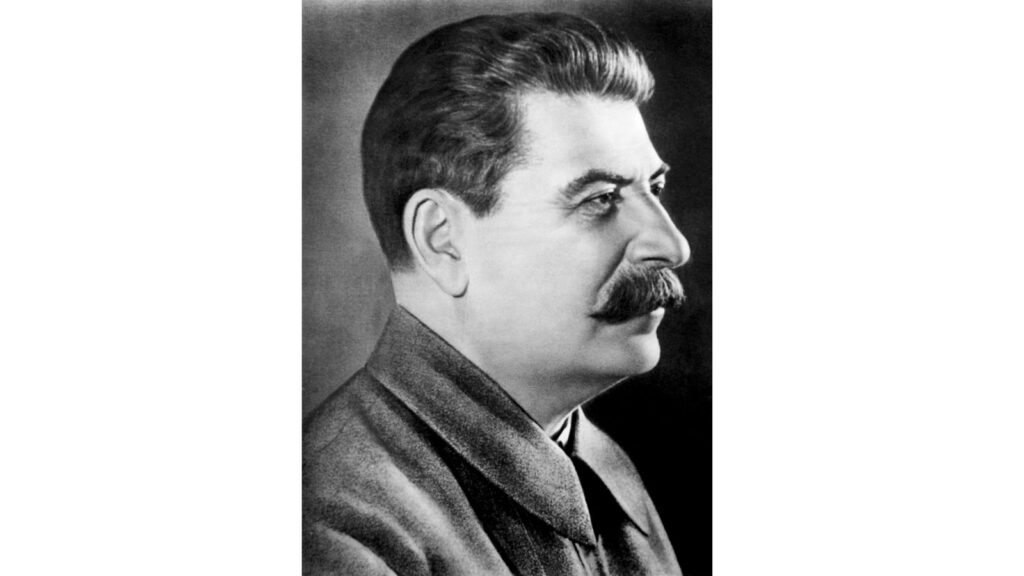
 

COMMUNIST INTERNATIONAL NEWSPAPER: On the 80th anniversary of the victory in the battle of Stalingrad


Download PDFPrint document

Proletarians of all countries, unite!

On the 80th anniversary of the victory in the battle of Stalingrad

The International Communist League correctly stated in its ‘Political Declaration and the Principles of the International Communist League’: “We assume the position of Chairman Mao on the role of comrade Stalin that he was a great Marxist. Furthermore, we must bear in mind that he was the one who brilliantly defined Leninism. We, the communists, today have the task to assume the defense of his role in World War II within the Communist International, particularly its 7th World Congress.” The latter will be central for this article celebrating the tremendous victory in the battle of Stalingrad.

The weight and significance of this great and heroic battle was correctly established by Chairman Mao Tse-Tung: “This battle is not only the turning point of the Soviet-German war, or even of the present anti-fascist world war, it is the turning point in the history of all mankind.”

The war fought by the USSR, as it was absolutely correctly defined, was a Great Patriotic War, a just war of defence. Additionally to the glorious and heroic defence, in which the USSR under the leadership of Comrade Stalin had to apply scorched land to defend its territory, to defend the socialist motherland, what costed more than 25 million lives, the anti-imperialist struggle unfolded vastly in the oppressed nations during this period.

Chairman Mao Tse-Tung just and correct thought us: “The Soviet Union’s sacred war of resistance against fascist aggression is being waged not only in its own defence but in defence of all the nations struggling to liberate themselves from fascist enslavement. For Communists throughout the world the task now is to mobilize the people of all countries and organize an international united front to fight fascism and defend the Soviet Union, defend China, and defend the freedom and independence of all nations.”

The peoples of the world rose for the just cause and spilled their precious blood not only in the war against the axis, but also against their respective imperialist masters, what initiated the great anti-colonial struggle in the second half of the 20th century.

In the winter 1941/42 the Soviet Union under the leadership and command of Comrade Stalin had already successfully rebuffed a vicious Nazi-German attack on the western part of the country, aiming to take the capital Moscow. The Nazi-Wehrmacht, not able to understand that every attempt to crush the Bolshevist steel tempered by the great Lenin and Stalin was doomed to fail, mounted an offensive on southern Russia in the summer of 1942. They set their sights on Stalingrad, because the city served as an industrial center in Russia, producing, among other important goods, artillery for the country’s troops. The Volga River, which runs through the city, was also an important shipping route connecting the western part of the country with its distant eastern regions. The Nazis wanted the Wehrmacht to occupy Stalingrad, seeing its value for propaganda purposes, given that it bore Stalin’s name. For similar moral reasons there was a special need to defend it. The 6th Army of the Wehrmacht began their assault on 23 August 1942.

Comrade Stalin, as the highest command, issued personally the Order 227, at the end of July 1942, in order to elevate the level of sacrifices and fighting spirit of the armed forces to the level of the people:

“The enemy throws new forces to the front without regard to heavy losses and penetrates deep into the Soviet Union, seizing new regions, destroying our cities and villages, and violating, plundering and killing the Soviet population. Combat goes on in region Voronej, near Don, in the south, and at the gates of the Northern Caucasus. The German invaders penetrate toward Stalingrad, to Volga and want at any cost to trap Kuban and the Northern Caucasus, with their oil and grain. […] Part of the troops of the Southern front, following the panic-mongers, have left Rostov and Novochercassk without severe resistance and without orders from Moscow, covering their banners with shame.

The population of our country, who love and respect the Red Army, start to be discouraged in her, and lose faith in the Red Army, and many curse the Red Army for leaving our people under the yoke of the German oppressors, and itself running east. Some stupid people at the front calm themselves with talk that we can retreat further to the east, as we have a lot of territory, a lot of ground, a lot of population and that there will always be much bread for us. They want to justify the infamous behavior at the front. But such talk is falsehood, helpful only to our enemies.

Each commander, Red Army soldier and political commissar should understand that our means are not limitless. The territory of the Soviet state is not a desert, but people – workers, peasants, intelligentsia, our fathers, mothers, wives, brothers, children. The territory of the USSR which the enemy has captured and aims to capture is bread and other products for the army, metal and fuel for industry, factories, plants supplying the army with arms and ammunition, railroads. After the loss of Ukraine, Belorussia, Baltic republics, Donetzk, and other areas we have much less territory, much less people, bread, metal, plants and factories. We have lost more than 70 million people, more than 800 million pounds of bread annually and more than 10 million tons of metal annually. […] To retreat further – means to waste ourselves and to waste at the same time our Motherland. Therefore it is necessary to eliminate talk that we have the capability endlessly to retreat, that we have a lot of territory, that our country is great and rich, that there is a large population, and that bread always will be abundant. Such talk is false and parasitic, it weakens us and benefits the enemy, if we do not stop retreating we will be without bread, without fuel, without metal, without raw material, without factories and plants, without railroads. This leads to the conclusion, it is time to finish retreating. Not one step back! […] It is impossible to tolerate commanders and commissars permitting units to leave their positions. It is impossible to tolerate commanders and commissars who admit that some panic-mongers determined the situation on the field of combat and carried away in departure other soldiers and opened the front to the enemy. The panic-mongers and cowards should be exterminated in place.

Henceforth the solid law of discipline for each commander, Red Army soldier, and commissar should be the requirement – not a single step back without order from higher command. Company, battalion, regiment and division – commanders and appropriate commissars, who retreat without orders from higher commanders, are betrayers of the Motherland. These are the orders of our Motherland. To execute this order – means to defend our lands, to save the Motherland, to exterminate and to conquer the hated enemy.”

Our heroic red soldiers were initially able to slow the Wehrmacht’s advances during a series of skirmishes north of Stalingrad, offering more than 200,000 lifes, and successfully held off the Nazi hordes. It was decided not to flee but withstand and therefore not to evacuate the more than 400,000 inhabitants of the city. The men and women, even the youngest, of Stalingrad were incorporated into war related activities – combat, construction, espionage, supply, etc. Even when the walls of Stalingrad bursted by the Luftwaffe’s constant bombardments or the heavy artillery strikes, the people stood steadfast.

The Operation Uranus led by Georgy Zhukov and Aleksandr Vasilevsky organized Russian troops in the mountains to the north and west of the city. From there, they launched a counterattack. Paying the necessary price the Red Army was able to encircle the city by late November 1942, trapping the nearly 300,000 German and Axis troops (mainly Italian and Romanian), choking off the enemy forces from vital supplies and essentially surrounding them in an ever-tightening noose.

Close to Stalingrad the Red Army won important battles, including in Rostov-on-Don, about 250 miles away from Stalingrad. Thus the enemy forces were thinned and stretched at that part of the front and the Operation Little Saturn in the west of Stalingrad was successful. With men, not arms, proving the Marxist principle about what is most important correct once again, they strangled the invaders to death and fought the greatest battle of war in cities ever seen. It was a war not only from street to street, nor from house to house or cellar to cellar, not even floor by floor, but room by room, generating the most heroism, chapters that have shaken the world.

On the significance of the battle of Stalingrad for the whole course of the war Chairman Mao stated: “…in this present war the attack on Stalingrad is the expression of the last desperate struggle of fascism itself. At this turning point in history, too, many people in the world anti-fascist front have been deluded by the ferocious appearance of fascism and have failed to discern its essence. For forty-eight days there raged an unprecedentedly bitter battle, unparalleled in the history of mankind–from August 23, when the entire German force crossed the bend of the River Don and began the all-out attack on Stalingrad, through September 15, when some German units broke into the industrial district in the northwestern section of the city, and right up to October 9, when the Soviet Information Bureau announced that the Red Army had breached the German line of encirclement in that district. Ultimately this battle was won by the Soviet forces. During those forty-eight days, the news of each setback or triumph from that city gripped the hearts of countless millions of people, now bringing them anxiety, now stirring them to elation. This battle is not only the turning point of the Soviet-German war, or even of the present antifascist world war, it is the turning point in the history of all mankind. Throughout these forty-eight days, the people of the world watched Stalingrad with even greater concern than they watched Moscow last October. […] following the battle for the defence of Stalingrad, the situation will be totally different from that of last year. On the one hand, the Soviet Union will launch a second winter counteroffensive on a vast scale, Britain and the United States will no longer be able to delay the opening of the second front (though the exact date cannot yet be foretold), and the people of Europe will be ready to rise up in response. On the other hand, Germany and her European accomplices no longer have the strength to mount large-scale offensives, and Hitler will have no alternative but to change his whole line of policy to the strategic defensive.”

We all know, and we must remember, that the fascist offensive led by the Nazis, to which the Italian and Spanish fascists as well as others like the Romanians, Hungarians and also Bandera’s bunch of rats from Ukraine contributed, and which used all the economic might of subjugated Europe, threw millions over millions, the cream of the German army, 75% of its air force, into the invasion. But comrade Stalin had wisely handled diplomacy with great subtlety.

It is worth noting the sagacity and penetration of the Soviet intelligence service. What an intelligence service. They knew the exact day of the Nazi-invasion.

The Soviet Union applied a strategic defence together with scorched earth, leaving them nothing but bare earth, mud, ashes and the most brave, determined and resolute partisans behind the enemies lines. They had the audacity, the courage to blow up monumental works such as the famous dam that links the Volga with the Don that took so many years of effort. The Germans never dreamed, they thought that this work would not be blown up, because it was too important and had cost a lot.

The dictatorship of the proletariat was at stake, the revolution was at stake, we cannot stop to think, nor can we simply allow ourselves to be hindered, as Chairman Mao said, by the defence of inches of land. They crashed at the gates of Leningrad, at the gates of Moscow and Stalingrad; but not only

scorched earth was carried out, but guerrillas and even simple individual men and women with their rifles, their ammo and their vodka awaited the enemy. To annihilate one of those brave heroes and heroines, the Germans lost 10 men, averagely.

The fascist offensive was a military plan of very high quality, thus, the highest and most enlightened German military leaders elaborated this plan and the German school has a many times proven war tradition: in three months they planned to conquer the USSR.

Comrade Stalin’s foresight, he had already taken measures since the 1930s when there was the great transformation of the countryside and industry, they had already transferred factories beyond the Urals, even foreseeing the possibility of leaving as far as Moscow, for it is true, everything was

already in place in case they could not ultimately defend Moscow, even if that was the decision taken, it was already planned to move the leadership and the centre to the Urals; So the first thing that was done was to make arrangements for Lenin’s transfer, because he could not fall into the dirty hands of the wretched sons of hell, he could not fall.

But the order, after they had penetrated to the above mentioned gates, the order was not to retreat any further! It is very memorable, and we must always remember how on November 7, the anniversary of the revolution, they had nowhere to celebrate it and it was considered impossible to carry it out; comrade Stalin said: “to the station”, “but there is no platform there, there are no seats there”, comrade Stalin stepped on a box and spoke in celebration of the revolution, saying: “how many of us were there when we seized power, what forces did we have when we repulsed the imperialist aggression immediately after the October Revolution? We will crush them, and we will annihilate the beast in its own den, in Berlin.”

These are things one must remember, to appreciate comrade Stalin one must look at the Second World War. We all know how then came the great resistance, the breaking of the German lines, the siege of Stalingrad where the German commanders, Hitler himself, commanded them not to retreat to those inferior subhumans. Those inferiors, the barbarians, the Mongols, hunted them down like rats and they had to surrender.

It is always good to reiterate this: Stalin, the skillful and wise manager of war, always took the moral element into account and paraded all the defeated, surrendered Nazis and threw their flags, their eagles, their swastikas at the foot of Lenin’s mausoleum; not only a great military defeat, but a

great moral defeat! The Nazi arrogance had been sunk in the mud and trampled upon, it was the greatest moral blow it had ever received, and that was the beginning of the breakdown of the Nazi Wehrmacht.

In February 1943 Comrade Stalin analysed: “Three months ago the troops of the Red Army began their offensive at the approaches to Stalingrad. Since then the initiative in military operations has remained in our hands and the pace and striking power of the offensive operations of the Red Army have not weakened. Today, in hard winter conditions, the Red Army is advancing over a front of 1,500 kilometres (950 miles) and is achieving successes practically everywhere. In the north, near Leningrad, on the central front, at the approaches to Kharkov, in the Donets Basin, at Rostov, on the shores of the Sea of Azov and the Black Sea, the Red Army is striking blow after blow at the Hitlerite troops. In three months the Red Army has liberated from the enemy the territory of the Voronezh and Stalingrad regions, the Checheno-Ingush, North Ossetian, Kabardino- Balkarian and Kalmyk Autonomous Republics, the Stavropol and Krasnodar Territories, the Cherkess (Circassian), Karachaisu and Adygeisu Autonomous Regions and almost the whole of the Rostov, Kharkov and Kursk Regions.

[…] in the winter of 1942-43 alone, the Germans lost over 7,000 tanks, 4,000 planes, 17,000 guns […] since the beginning of the war, has put out of action about 9,000,000 German-fascist officers and men, of whom no less than 4,000,000 were killed on the battlefield.

[…] first, the weakness of the German army is the shortage of man-power reserves, and consequently it is not known from what sources these losses will be replaced. […] the Red Army has become a seasoned army. […] millions of Red Army men have become masters of their weapons […]

It cannot be considered an accident that the Red Army Command not only liberates Soviet soil from the enemy but does not let the enemy leave our soil alive, carrying out such important operations as the encirclement and annihilation of enemy armies which can well serve as examples of military art. This is undoubtedly a sign of the maturity of our commanders.

There can be no doubt that only the correct strategy of the Red Army Command, and the flexible tactics of our commanders who execute it, could have resulted in such an outstanding fact as the encirclement and annihilation at Stalingrad of an enormous picked army of Germans, numbering 330,000 men.”

Our Brazilian comrades pointed out: The victory against fascism in the Second World War is one of the great historical events of the process of the Proletarian World Revolution, the imperialist camp found itself deeply beaten, three important imperialist powers were defeated – Germany, Japan and Italy – which has to be seriously studied for its just and correct comprehension, it has to be highlighted and celebrated.

The Communist Party of China affirmed, regarding the evaluation of this historic experience:

“In the first place, the history of anti-fascist war shows that the socialist system has an enormous vitality that can resist the most severe test and that a state of the dictatorship of the proletariat is invincible.

In second place, the history of the anti-fascist war shows that imperialism is the source of all wars in modern times, that the aggressive nature of imperialism will not change and because of that, to defend world peace it is necessary to persist in the struggle against imperialism.

In third place, the history of the anti-fascist war shows that the peoples war sure to attain victory, that it is completely possible to defeat the imperialist aggressors, that imperialism is a paper tiger, who is apparently strong, but in reality is weak, and that the atomic bomb is also a paper tigress and it is the people and not the arms, of any class, who decide the outcome of the war.

In fourth place, the history of the anti-fascist war shows that, in order to defeat the imperialist aggressor, it is imperative to trust in the unity of the revolutionary forces of the people in all countries, to attract to our side all the forces that can be won, to form the broadest possible international united front and concentrate our blows on the main enemy of the peoples of the world.”

Under the guns of the glorious Red Army Nazi-Germany was shattered, Socialism and the dictatorship of the proletariat arose in up to Eastern Germany. The Red Banner of the Communist Party and the USSR waving over the shadowed and destroyed German Reichstag is an undeniable great moment of the international proletariat that symbolize the whole heroic and glorious epic of the struggle against fascism in defense of the USSR and for the development of the Proletarian World Revolution. The sentence made by comrade Dimitrov when he embarked in the direction of

USSR after the great victory in the Nazi Tribunal in Leipzig was thus accomplished: “We will make Germany Soviet!”.

Continue Reading


ESTUDIOS AGRARIOS BRASIL: Chacina em Nova Mutum/RO: Novas denúncias apontam para torturas e privação de direitos durante ataque da PM

Clicar nos títulos para ver as notícias completa

Chacina em Nova Mutum/RO: Novas denúncias apontam para torturas e privação de direitos durante ataque da PM


Raniel Barbosa Laurindo (conhecido como “Mandruvá”) de 24 anos e Rodrigo Hawerroth (conhecido como “Esticado”), de 34 anos, foram assassinados após torturas pela PM de Rondônia. Foto: Banco de Dados AN

Na manhã do dia 28 de janeiro, em pleno sábado, o Batalhão de Operações Especiais (Bope) da Polícia Militar (PM) de Rondônia assassinou dois camponeses e levou terror a mais de 100 famílias (300 camponeses) em um novo ataque aos camponeses do Acampamento Tiago Campin dos Santos, em Rondônia.

Fonte.  AND


Generais e o grande garimpo irmanados no secular genocídio contra os povos indígenas: José Altino, Hamilton Mourão, Pettersen e Dirceu Sobrinho, durante audiência na Câmara em 25/01/2021. Foto: Romério Cunha/VPR

O Ministério da Saúde decretou, no dia 20 de janeiro de 2023, emergência pública na Terra Índigena (TI) Yanomami, área de aproximadamente 230.000 km² na fronteira entre Brasil e Venezuela que abriga cerca de 26 mil indígenas Yanomami e Ye’kwana. A calamidade, denunciada pelos indígenas há anos e também pelo AND, se agravou devido ao surto de casos de malária e desnutrição severa que aflige adultos e crianças na região.


Camponeses covardemente assassinados em chacina. Foto: Rondoniaovivo

Segundo denunciou a Associação Brasileira dos Advogados do Povo Gabriel Pimenta (Abrapo), no dia 28 de janeiro policiais militares do Batalhão de Operações Especiais (Bope) e do Batalhão de Divisas e Fronteiras (BPFron)
 torturaram e assassinaram covardemente dois camponeses e feriram outros
 três.


Capa da Antologia de textos finalistas do I Concurso Literário do jornal A Nova Democracia

Já está disponível para download o livro digital resultado da realização do I Concurso Literário de Contos, Crônicas e Poesias organizado pelo jornal A Nova Democracia.
O certame fez parte das celebrações do 20 anos de AND e concluiu-se em dezembro de 2022 com a premiação em um grande evento realizado na cidade do Rio de Janeiro

Fonte.  AND


--
 
Notícias Agrárias - Brasil
Estudos, pesquisas e notícias